
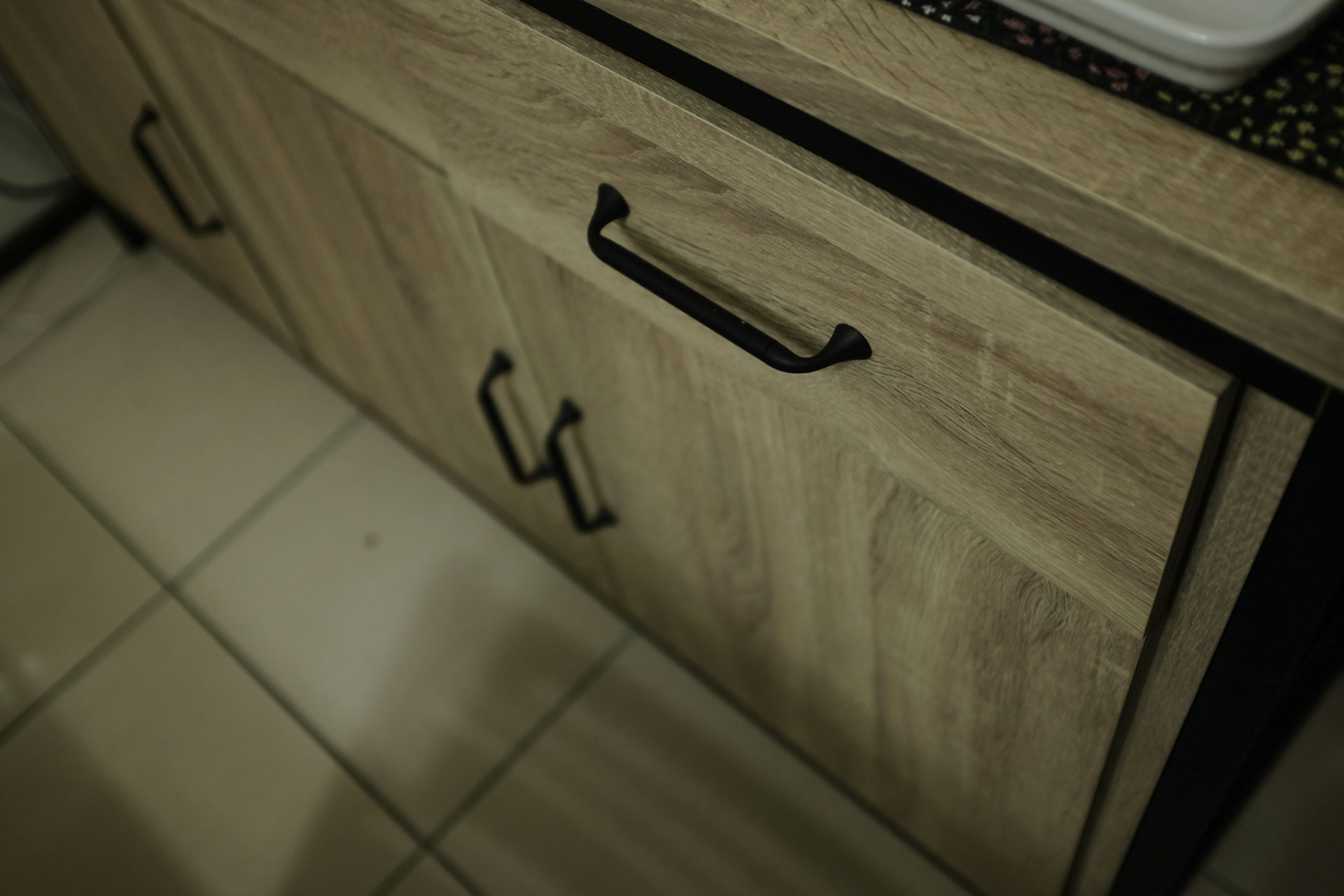
Kitchen Knobs vs. Pulls: How to Choose the Right Hardware Type for Your Cabinets
Need help with choosing kitchen cabinets so they fit with your kitchen cabinet decor? Are you looking for kitchen cabinet design ideas but are overwhelmed by the selection and don’t know where to begin? Here are some kitchen cabinet ideas to get you going. Look around your home to pick up clues of the era of your home as well as your tastes. Choosing kitchen cabinets should be an extension of the flavor of the rest of your home as well as your kitchen cabinet decor.
The Functional Difference Between Knobs and Pulls
A knob requires a pinch grip thumb and two fingers closing on a small surface. A pull requires a hook grip fingers curling through or around a longer bar or handle. The functional implication is simple: pulls are easier to use with full hands, wet hands, or for anyone with reduced grip strength. In a kitchen that sees daily heavy use cooking for a family, frequent hosting, or a household with older users pulls on cabinet doors reduce friction in ways that accumulate over thousands of uses. Knobs are not inferior they are the right choice in the right context. The design question KraftMaster asks first is not ‘which looks better?’ It is: ‘who is using this kitchen, and how?
The Functional Rule by Cabinet Element Doors vs. Drawers
The most consistent rule in hardware selection across hundreds of KraftMaster kitchen remodels: pulls on drawers, knobs optional on doors. The reasoning is mechanical. A drawer pull distributes the opening force horizontally across the length of the pull which is how a drawer naturally opens. A knob on a wide drawer concentrates force at a single point off-center from the drawer’s weight, creating resistance and uneven wear on the slides over time. For drawer banks wider than 24 inches, a bar pull is the correct functional choice regardless of the aesthetic preference. Cabinet doors do not have this mechanical constraint a door swings on a hinge and a knob at the correct placement point opens it with the same efficiency as a pull. This is where the visual decision has more weight.
When Knobs Belong and When Pulls Are the Right Call
Knobs belong on cabinet doors in kitchens where the design calls for visual restraint where the hardware should recede into the surface rather than punctuate it. Traditional and Craftsman cabinets with raised panel profiles carry knobs naturally; the ornamentation is in the door, not the hardware. Pulls belong anywhere the hardware is intended to be a design element in its own right a bar pull on a shaker door flat-front contemporary cabinet is as much a design statement as the cabinet finish. The other case for pulls over knobs on doors: upper cabinets with taller door heights. A knob on a 42-inch upper cabinet door requires a two-point grip to open cleanly which means the knob placement is always a compromise. A pull on the same door gives the user a natural grip point across the full door height. KraftMaster specifies pulls on tall upper cabinets as a standard, regardless of the style direction of the rest of the kitchen.
Can You Mix Knobs and Pulls in the Same Kitchen?
Yes with one rule: the mixing must follow a logical system, not a random one. The system that works in every kitchen: pulls on all drawers, knobs on all doors. This is a functional logic that the eye reads as intentional rather than inconsistent. What does not work: knobs on some doors and pulls on others, or different pull styles on doors in the same cabinet run. The finish must be consistent across every hardware piece a matte black knob and a brushed brass pull in the same kitchen reads as two unresolved decisions, not a curated mix. Within a single finish, mixing knobs (doors) and pulls (drawers) is the industry standard and the approach KraftMaster uses as the default starting point in every kitchen design consultation.
How KraftMaster Makes the Hardware Type Decision
The hardware type decision in a KraftMaster kitchen design is made after the cabinet style, door profile, and finish are locked not before. The cabinet tells you what hardware it wants. A flat-front door with no visible frame detail calls for a pull that provides the only tactile surface in the design. A raised panel door with visible stile and rail proportions can carry a knob that sits within the geometry of the panel. A shaker door is the most flexible it reads well with both, and the final call is made based on the visual weight of the chosen finish and the household’s functional needs. This sequence cabinet first, hardware second is why hardware decisions made before the cabinet style is confirmed so often look wrong in the finished kitchen.
The knobs vs. pulls decision takes less than ten minutes in a KraftMaster design consultation because by the time we reach hardware, the cabinet style, finish, and layout are already defined, and the hardware answer follows naturally. If you are planning a kitchen remodel in NJ and want to work through these decisions in sequence, schedule a consultation with KraftMaster Design Build today.